

Backstory
Where did this idea come from?
I started in hospitality in college, working the early shift at a coffee shop in Manhattan Beach. The 6am crowd was groggy, half-awake, and laser-focused on their caffeine, and there was something surprisingly wonderful about being the person who handed it to them. That first cup, that first sip—it brought real joy to their faces, unfiltered and honest.
Since then, I've worn many hospitality hats—waitress, restaurant manager, wine industry professional, and eventually, winery founder. Over the last three decades, I watched the wine world shift, especially in the direct-to-consumer space. In the early days, tasting rooms were casual and authentic: a modest tasting fee, a branded glass as a free souvenir, and usually the winemaker behind the bar pouring, telling you about the vines, the vintage, and the story behind the bottle. It was personal and grounded. The focus was on the wine and creating a meaningful connection with the guest.
Today, the wine tasting consumer is met with a myriad of choices, ranging from reserve cave tours, artful food pairings, zip
lining over the vineyards, and much, much more. And while all of that can be exciting, it's also a show—an expensive, highly curated experience where the wine now plays second fiddle. That soulful, simple connection? It's been replaced by wow-factor.
Witnessing this change got me thinking—not just about the wine industry but about how adults look for joy in general. We tend to chase happiness through more excitement, more luxury, and more everything. But the manufactured joy we find there rarely lasts, sending us back through the "more loop" for the next dopamine hit. We've gotten so used to looking outside ourselves for joy that we've forgotten where it naturally comes from.
So, was there ever a time when all that "stuff" didn't matter? Yup, childhood; when joy was simple and unfiltered. As children, we followed joy from the inside and let curiosity lead the way—skating with friends, reading for hours, and getting lost in imaginary worlds. We weren't trying to impress anyone. We weren't documenting, optimizing, or chasing likes. We followed our instincts and did what felt good—what made us feel alive.
The idea sparked. But was it actually valid? Could looking back at your childhood—remembering the things you truly loved to do—and weaving those pieces into your adult life really make a difference? Could it bring real joy, or was I just being sentimental? I was curious enough to find out, so I started experimenting.
This book is the story of that experiment—what I tried, what I discovered, and how it quietly shifted the way I moved through life. Spoiler: it works. And the best part? It doesn’t require quitting your job or blowing up your life. As a busy mom, I found that you can engage with this idea in whatever way fits your reality. Whether you dive all in or just dip a toe, the reward is still there. The connection still happens.
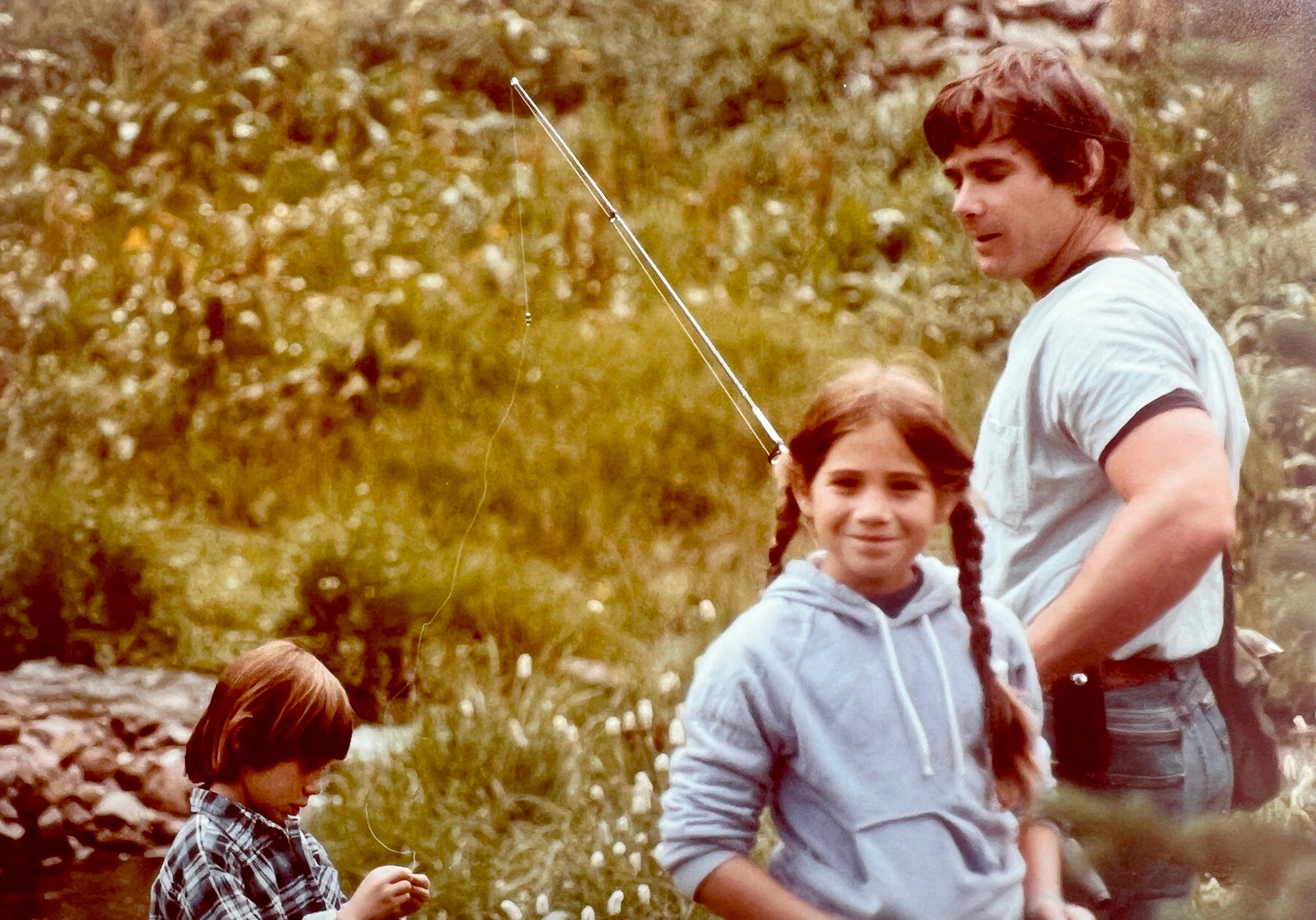
I ultimately realized when we revisit those childhood joys—the ones that came naturally, without reward or approval—we unearth something profoundly true to our core; something innate. And when I tapped back into that, bringing into the present, I started to fill my cup again—not with stuff, noise, or validation, but with something real, satiating, and self-validating.
And suddenly, even my morning cup of coffee felt like enough.